Why Comparing Your Child to Others Can Do More Harm Than Good. And What to Do Instead
Comparing your child to others can quietly damage their confidence. Discover what kids really hear, the hidden effects, and what to say instead.
Compare progress, not people
A better question than "who came first in the class" is simply: is my child further along than they were yesterday?
Instead of asking about rankings, try asking what they learned today, what they found difficult, what they're proud of, or what they'd like to do differently next time. None of that requires another child to exist as a benchmark.
A few small changes in language
Instead of "your cousin got 95%," try noticing the effort instead of the outcome, something like, "I could tell you really worked for this one."
Instead of "your sister never behaved like this," try being curious rather than comparing: "Let's figure out what's making today hard."
Instead of "everyone else can do it," try naming the difficulty honestly while still backing them: "I know this feels tough right now, but you'll get there with practice."
The shift is small on paper. The difference in how it lands is not.
Every child has their own timeline
Kids don't all learn to read at the same age. They don't all find their confidence on the same schedule, and a lot of them don't discover what they're genuinely good at until well into adulthood. Some children shine early and obviously. Others take longer and surprise everyone later.
A slow start says very little about where someone ends up. Development isn't a race with a single finish line; it's just each person's own timeline playing out.
A few questions worth sitting with
Before the comparison slips out, it's worth pausing for a second and asking yourself: am I encouraging right now, or criticising? Would I want to be measured against someone else every single day? Am I noticing my child's strengths as often as I notice where they fall short? Is my child trying to beat someone else, or simply trying to become more themselves?
Small moments of self-reflection like that tend to change a lot over time.
Final thought
Every child deserves to feel accepted before they feel expected. They grow best in homes where they feel safe and valued, not because they're the fastest or the smartest, but because they're loved for exactly who they are.
Comparison might look like a shortcut to motivation. But what actually lasts (confidence, resilience, curiosity, a genuine love of learning) comes from something else entirely.
Our job isn't to raise children who beat everyone else. It's to help each child become the best version of themselves.
The child you're comparing today might just be blooming on a different timeline. Give them the right support, and there's no telling who they'll grow into.
A flower doesn't compete with the flower next to it. It simply blooms. Children deserve the same: the room to grow at their own pace, in their own way, into whoever they're meant to be.


"Why can't you be more like your cousin?"
"Your friend always finishes their homework on time."
"Look how well your sister is doing."
Most of us have heard a version of this growing up. Some of us have caught ourselves saying it to our own kids, usually in a moment of frustration rather than malice. That's the thing about comparison. It almost never comes from a bad place. Parents want their children to do well, to feel confident, to make the most of what's in front of them. Holding another child up as an example can feel, in the moment, like a shortcut to motivation.
But in my work as an educator, and in what I've studied as a psychology student, I keep coming back to the same observation: children don't grow because they're compared. They grow because they're understood.
Why do parents compare in the first place?
It's rarely about criticism for its own sake. Usually it comes down to a few overlapping things: wanting your child to reach their potential, feeling pressure from family or culture, worrying about how they'll do academically, scrolling past other kids' achievements online, or simply hoping the comparison will light a fire.
The intention is almost always good. The effect is often something else entirely.
No two children are the same
Some kids are naturally curious. Others are cautious and need time to warm up to something new. Some love numbers and patterns; others find their voice through art, music, or movement on a football pitch.
Some children talk early and confidently. Others are quiet for longer, then turn into the most thoughtful communicators in the room. Some do their best thinking in a loud, busy classroom. Others need silence to function at all.
None of this makes one child "better" than another; it just makes them different. We don't expect every flower in a garden to open on the same morning. Children aren't any different.
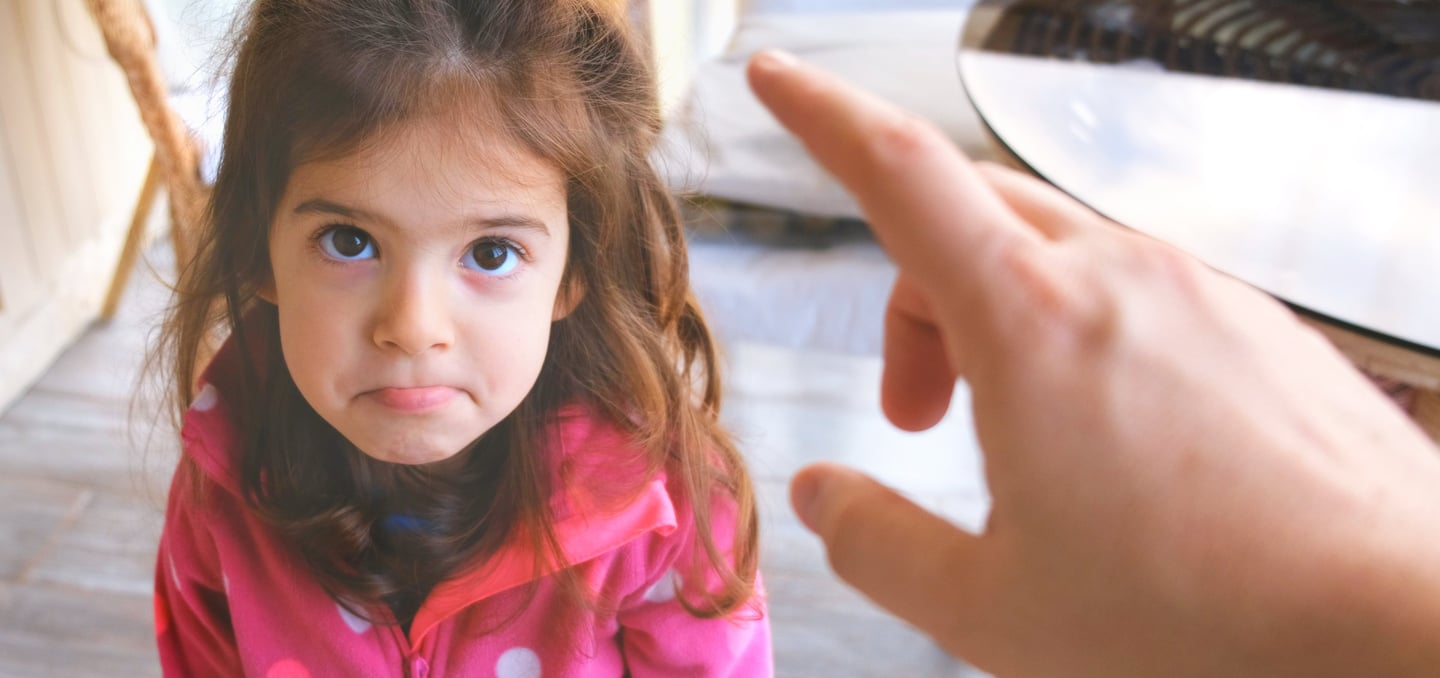
What a child actually hears?
Adults usually mean comparison as a nudge. Children rarely receive it that way. When a parent says "why can't you be like your brother," what often lands is something closer to: I'm not good enough. I'm a disappointment. Someone else matters more than me.
Said often enough, that message starts to shape how a child sees themselves. They stop focusing on learning and start focusing on proving they're worth something.
What does constant comparison actually do?
It chips away at self-esteem. A child who's always being measured against someone else starts to define their worth by the gap, not by their own progress.
It makes learning feel dangerous. If a mistake might lead to comparison, it stops being something to learn from and becomes something to hide. That's where you see perfectionism, test anxiety, and kids who quietly avoid anything they might fail at.
It poisons sibling relationships. Compare two siblings often enough, and they stop being teammates. One starts to feel like they'll never catch up. The other feels stuck performing the role of "the good one." Neither position is comfortable to live in.
It kills motivation, not builds it. The theory is that comparison pushes kids to try harder. In practice, many children arrive at a much simpler conclusion: no matter what I do, someone else will always be ahead. And then they stop trying.
It creates distance. A child who feels constantly judged learns to stop sharing. They hide their struggles instead of asking for help. Over time, that quietly erodes the trust between parent and child.
Success doesn't only look like good grades
It's easy to praise the child who comes top of the class. But that's a narrow slice of what actually matters.
Maybe your child is the one who's kind to the kid nobody else talks to. Maybe they don't give up even when something is genuinely hard for them. Maybe they read for the joy of it, or they're endlessly creative, or they make everyone around them laugh, or they look after younger kids without being asked.
None of that shows up on a report card. A lot of it is exactly what shapes a capable, decent adult.