Child Influencers: Opportunity, Exploitation, or a New Responsibility for Parents and Educators?
In today’s digital world, childhood is no longer limited to classrooms, playgrounds, and family photo albums. It now exists on YouTube channels, Instagram reels, TikTok videos, and brand-sponsored content viewed by millions across the world.
Children are becoming influencers.
From toy reviews and educational videos to fashion, dance, family vlogs, and lifestyle content, child influencers are now a major part of the creator economy. Some earn more than adults with full-time careers. Many build global audiences before they even reach secondary school. At first glance, this may seem like a modern opportunity, confidence-building, financial success, creativity, and early exposure to entrepreneurship. But beneath the surface lies a far more important question : Are we helping children grow, or are we turning childhood into performance?
As educators, parents, and society, we must examine not just what children gain from digital fame, but what they may quietly lose.
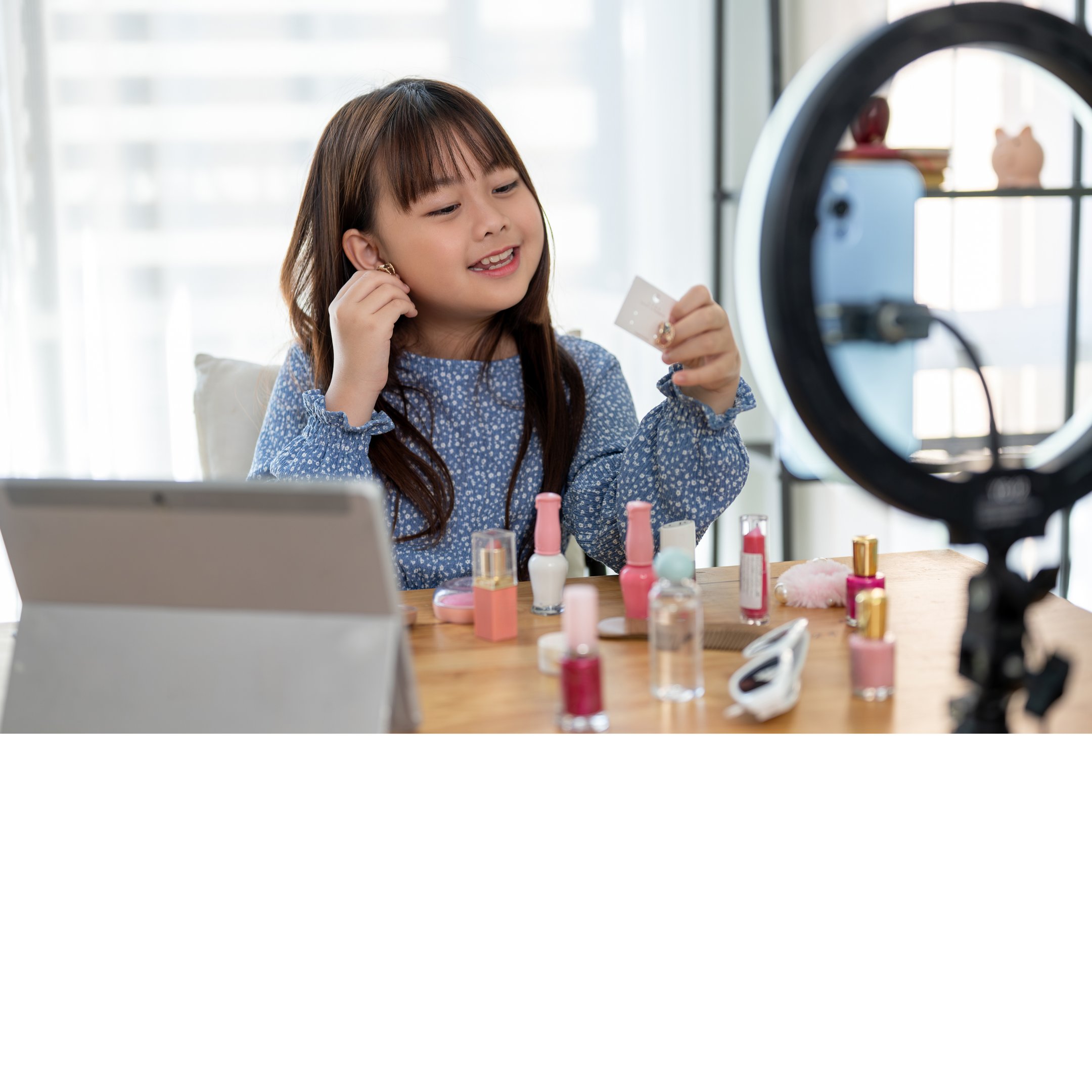
Social media has changed the definition of visibility. A child with a smartphone, supportive parents, and engaging content can reach millions. Platforms reward entertainment, relatability, and emotional connection, qualities children often naturally bring.
Brands have also recognised the marketing power of children. Parents trust children. Other children relate to them. This creates a strong commercial opportunity.
Entire industries now exist around young creators:
YouTube family channels
Child fashion influencers
Educational content creators
Gaming streamers
Toy review channels
Lifestyle and “day in my life” creators
For some families, this becomes a business model.
And that is where complexity begins.x
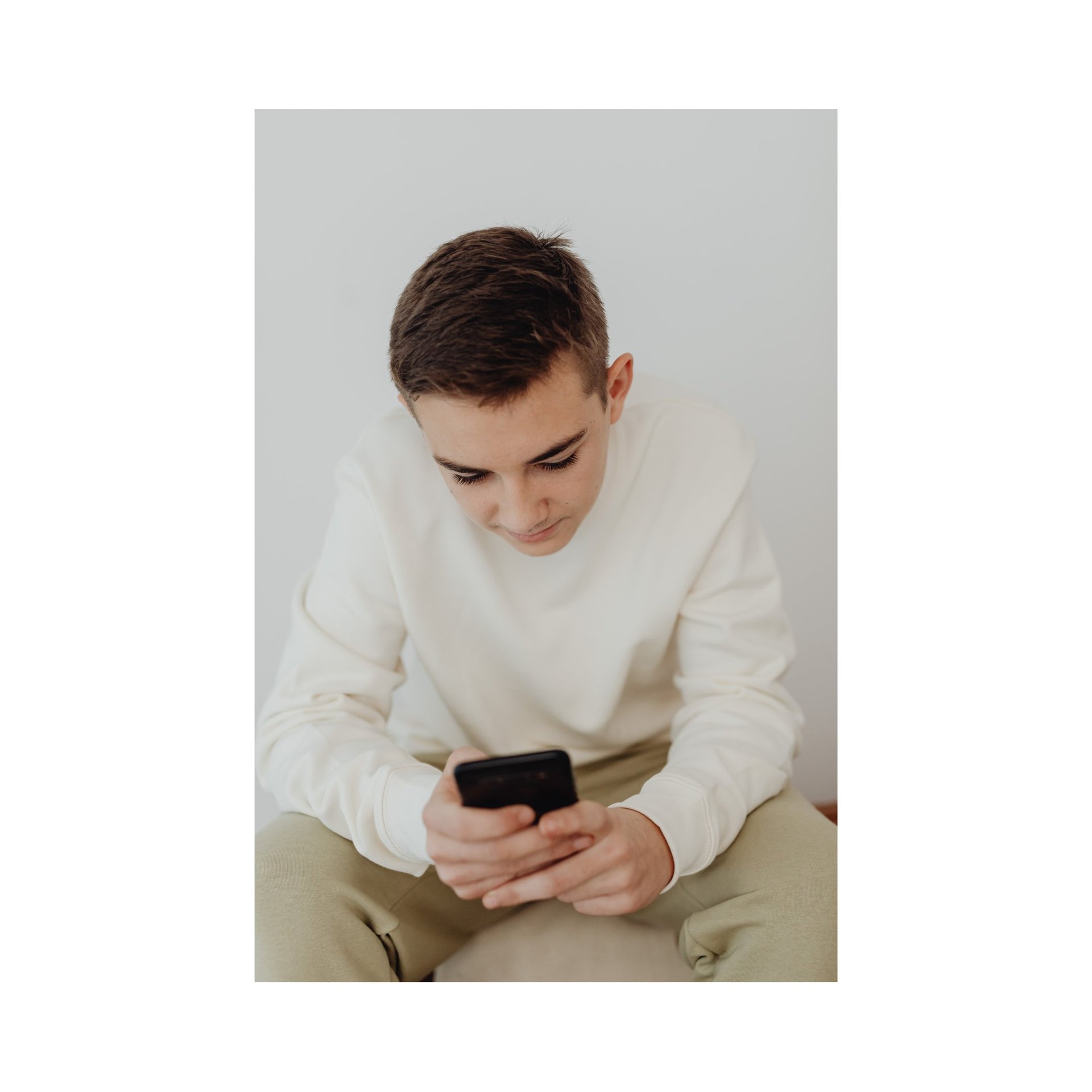
The Rise Of Child Influencer
Childhood is supposed to be a period of exploration, trying, failing, learning, and changing without permanent public judgment.
But for child influencers, identity can become a product. When a child receives attention based on appearance, personality, talent, or entertainment value, they may begin to connect self-worth with public approval. Likes become validation. Views become success. Silence becomes failure.
This creates psychological risks:
Anxiety around performance
Fear of disappointing followers
Reduced intrinsic motivation
Difficulty separating real self from online persona
Dependence on praise for self-esteem
Children are still developing emotionally and neurologically.
Their sense of identity is fragile and forming. Public attention can distort that process.
They may stop asking:
“Who am I?”
And start asking:
“What version of me gets the most engagement?”
What audiences see is often polished happiness.
What they do not see is repetition, pressure, retakes, schedules, and expectations.
Content creation can quietly become labour.
Even when parents say it is “fun,” children may feel a responsibility to perform
because income, praise, and family attention depend on it.
This becomes especially concerning when:
Posting is frequent and structured
Brand partnerships are involved
Financial dependence develops
Parents control all decisions
The child has limited choice to stop
Children may not have the language to express emotional exhaustion.
They may simply become “difficult,” anxious, withdrawn, or overly perfectionistic.
As adults, we must recognise behaviour as communication.


The Hidden Pressure Behind the Camera
One of the most serious concerns is digital permanence. A child cannot fully consent to a lifelong digital footprint. Videos posted at age six may still exist at age sixteen. Personal moments intended as “cute content” may become sources of embarrassment, bullying, or identity conflict later. Bath-time videos, emotional breakdowns, school moments, and private family situations are shared without long-term consideration. Children deserve dignity, not just visibility. The internet rarely forgets. Parents must ask, would my child thank me for this at 25?
If the answer is uncertain, the content should probably remain private.
Financial Success vs Financial Exploitation
Some child influencers generate significant income. But an uncomfortable question remains: who is truly benefiting?
In many cases, earnings are managed entirely by parents. There may be little legal structure protecting the child’s ownership, privacy, or future access to that money. Without safeguards, childhood can become monetised labour disguised as family content. Parents must not confuse management with ownership. If a child creates value, that child deserves protection, transparency, and financial security.
Ethics must come before opportunity.
The Role of Schools and Educators
This issue does not belong only to parents. Educators increasingly teach children whose emotional lives are shaped by online visibility.
Students may compare themselves to influencers. Some may aspire to become one. Others may experience anxiety because of online performance pressure. Schools must expand digital literacy beyond internet safety. We must teach:
Healthy self-worth beyond validation
Boundaries between public and private life
Emotional resilience in digital spaces
Critical thinking around fame and attention
Ethical content creation and consent
Education must prepare students not just to use technology, but to protect themselves within it.
Not all child content creation is harmful. Creativity, storytelling, confidence, and communication can be wonderful experiences when guided responsibly. The goal is not fear. The goal is ethical participation.
Parents should ask:
Is my child genuinely choosing this?
Can they stop without guilt?
Are we protecting privacy over popularity?
Is education and emotional well-being still the priority?
Would I make the same decision if no money were involved?
These questions matter more than follower count.
Child influencers are not simply a trend. They are a reflection of how society now defines success, attention, and childhood itself. The issue is not whether children should be seen. It is whether they are being protected while they are being seen. Visibility without protection becomes vulnerability. As adults, our responsibility is not to help children become famous. It is to help them become whole.
And sometimes, the most powerful thing we can do is protect the parts of childhood that should never be content.